Journal
Developing Mobile Apps for the China Market in 2026
Shipping mobile apps in China is not just a localization task. It is also a compliance, filing, and distribution problem.
China is still a serious market for mobile apps, but it is not a market you can enter by translating strings and calling it done.
For mobile developers, especially on iOS, the hard part is often not coding. It is compliance, documentation, distribution, and understanding which approvals are actually required for your category.
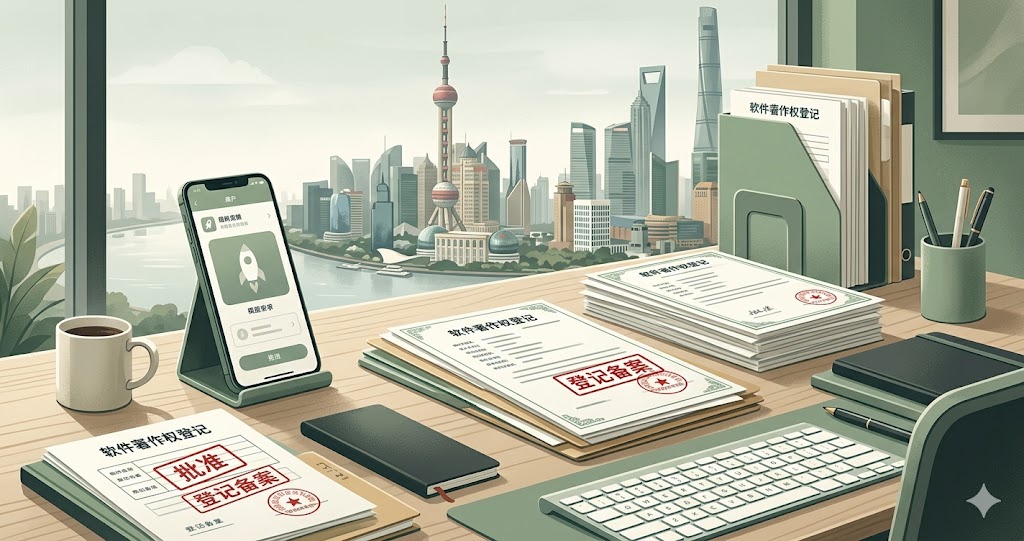
According to Apple’s App Store Connect documentation, some apps need a valid ICP Filing Number to be available on the App Store in China mainland, and the ICP number must match the information filed with China’s Ministry of Industry and Information Technology (MIIT). Apple also says that additional categories need their own approvals: games need an approval number, books and magazines need an internet publishing permit, religious apps need an Internet Religious Information Permit, and news apps need an Internet News Information Permit. That makes China availability much more operational than it first appears.
Source: Apple App Store Connect, App information
Apple also has a separate China mainland compliance section for organizations based in mainland China. There, Apple says it collects and verifies identity information and displays the company’s Chinese name and Unified Social Credit Identifier (USCI) on product pages in mainland China.
Source: Apple App Store Connect, View Mainland China compliance information
Outside Apple’s own requirements, there is also the practical distribution layer. A guide from 21YunBox argues that major Chinese app stores typically require a Chinese Software Copyright Certificate, often called 软著 or SCC, along with source-code materials, localization work, and category-specific documentation. That guide is not a government source, but it is useful as an operational summary of what app teams tend to run into.
Source: 21YunBox, How to Publish My Mobile App in China
The newest wrinkle is 软著. A March 18, 2026 article on Sohu, summarizing a March 15 notice titled 《共同维护计算机软件版权登记良好生态》, says software copyright applications now require a written declaration that the software was independently developed and that AI was not used to generate code, documents, or filing materials. The article further says the declaration must be handwritten and signed. I am citing this because it is recent and relevant, but it is still a secondary report, so anyone filing should verify the latest official wording directly before relying on it.
Source: Sohu, 软著申请“变天”了:AI写的代码不能再登记,还要手写承诺书
An anecdotal Reddit thread on publishing in China says almost the same thing from a developer’s point of view: switching on China availability in App Store Connect is technically easy, but legally and operationally publishing there is not. It mentions ICP filing, SCC, localization, data compliance, and longer approval timelines. I would not treat Reddit as an authority, but it matches the broader pattern.
Source: Reddit, Is it easy to publish an app in China?
The practical lesson is simple: if you want to build for the China market, think beyond product and code. Plan for filing, permits, localization, data handling, review materials, and store operations from the beginning. In China, mobile distribution is as much a compliance workflow as a product workflow.